

A free encyclopedia
for understanding Bitcoin
TimechainWiki is a public reference work — 394 entries covering Bitcoin's economics, history, technology, culture, and criticisms. No ads, no paywall, nothing for sale. A community resource, full stop.
Why "timechain"?
Before the world settled on "blockchain," Satoshi Nakamoto's original code described the data structure as a timechain — a chain of cryptographic timestamps. The older word names the deeper idea: an unforgeable record of when, secured by work.
How it's organized
Most Bitcoin resources are either a search box or a feed. This one is a structure: seven movements — from the monetary foundations, through the case for Bitcoin and the machine itself, to the analytical frameworks, practice, and the honest discourse around it — each opening onto sections, clusters, and entries. You can walk the argument end to end, or drop in anywhere via search (⌘K). Entries carry learning levels, cite their sources, and cross-link like a proper encyclopedia.
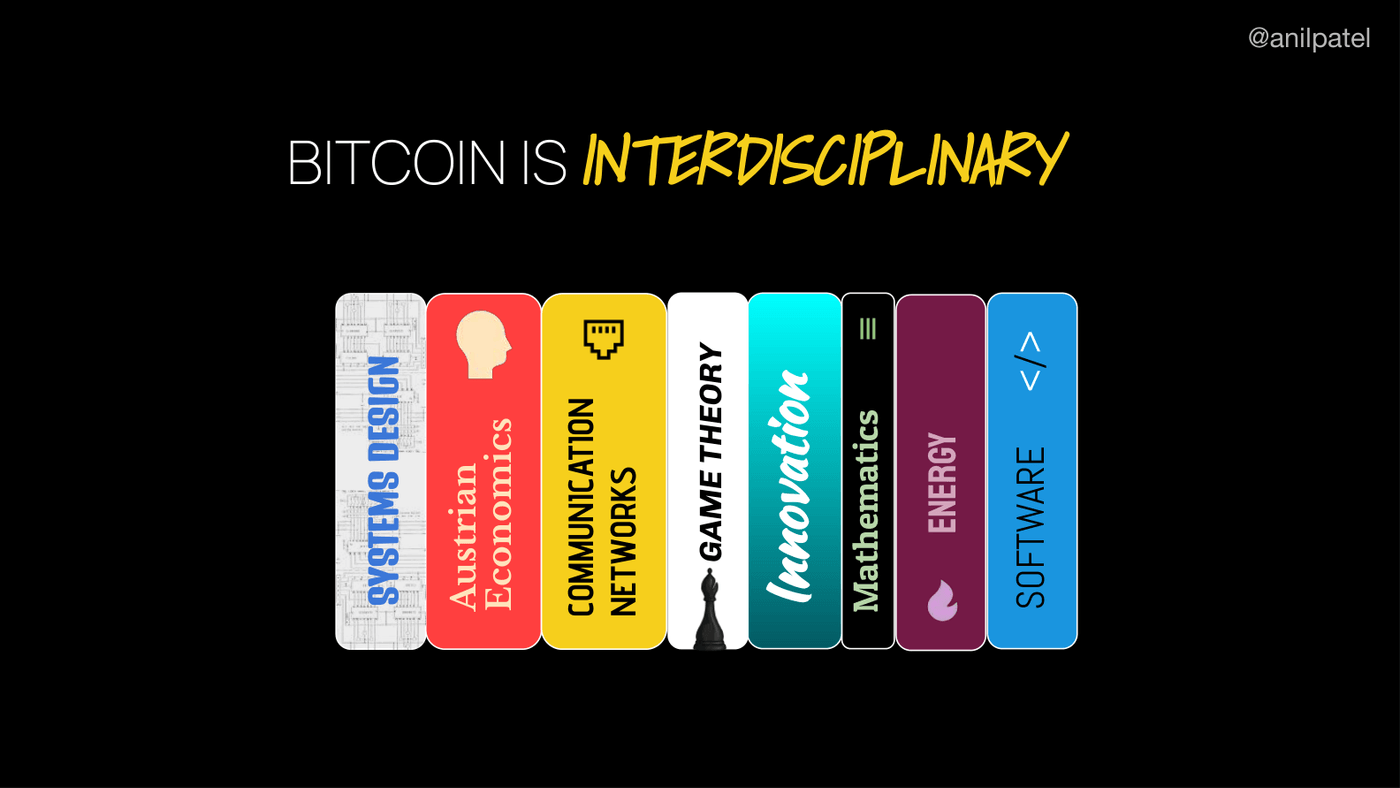
Bitcoin rewards that kind of structure because no single discipline contains it:
Your highlights, your keys
Select any passage to highlight it and take notes — no account needed; everything saves privately in your browser. Sign in with Nostr or Pubky and your highlights sync across devices via your own accounts — the wiki never holds your data. You can also suggest an edit on any passage; every suggestion is reviewed by hand before anything changes.
Built for readers — human and machine
Every page is plain, fast, static HTML. AI agents are explicitly welcome: the whole encyclopedia is indexed at /llms.txt, and every entry is also served as clean markdown (add .md to any entry's address).
And that welcome is a licence, not just a sentiment. Every entry is CC BY 4.0 — copy it, translate it, quote it, remix it, or use it as training and retrieval data, provided you credit RadVladdy and link back. The source repository is public and the site code is MIT.
Who makes this
TimechainWiki is built and maintained by RadVladdy, rendered from a hand-curated knowledge base built over years of study — every entry hand-written, every source read. Illustrations are credited under each figure and on the credits page.
Reach the wiki on Nostr at [email protected] — the same address takes Lightning zaps if you find this work useful.